Signals via lights or horns that indicate the liquid level, temperature, or pressure inside a vessel is too high or too low or that there is no flow or reverse flow.
Level Alarm
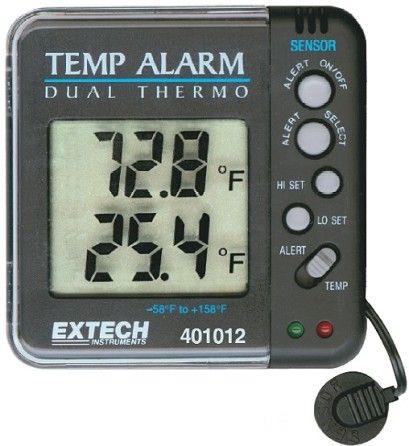
Temperature Alarm
Pressure Alarm
Flow Alarm
Alarms





Indicators
Devices used to indicate the liquid level, temperature, pressure or flow rate inside a piping system.
Level Indicator
Temperature Indicator
Pressure Indicator
Flow Indicator


Recorders
Devices used to record the liquid level, temperature, pressure, and flow rate inside a vessel or piping system throughout a certain shift or period of time.
Level Recorder
Temperature Recorder
Pressure Recorder
Flow Recorder


Controllers
Devices used to maintain a specified liquid level, temperature, pressure, or flow inside a vessel or piping system. They activate the control valve that regulates the level, temperature, pressure, and flow in and out of the vessel.
Level Controller
Temperature Controller
Pressure Controller
Flow Controller


Gauges
Gauges are instruments that measure the liquid level inside a vessel or the temperature and/or pressure in the piping system. Level, temperature, or pressure gauges are locally mounted to enable plant operators to obtain a visual reading.
Level Gauge
Temperature Gauge
Pressure Gauge


Flow Diagram Instruments
Instruments function by sensing changes in the variables they monitor. The four basic instrument groups are:
Flow (F)
Level (L)
Pressure (P)
Temperature (T)
The types of instruments used to sense, control and monitor these variables are:
Controller (C)
Indicator (I)
Gauge (G)
Alarm (A)
Recorder (R)
The first letter in the symbol indicates the instrument group, and the second and/or third letters indicate the instrument type. To indicate a change or to control the flow, level, pressure, or temperature, an instrument must first sense a change in the variable. Once a change has been detected, the instrument then transmits this information via mechanical, electronic, or pneumatic means to a control panel where it can be observed and recorded. At the same time, the instrument may activate other devices to affect and change process conditions in the facility. Some instruments are read in the plant at the instrument’s actual location. Others are displayed on a control panel located in an operator’s control room.

Subscribe to:
Posts (Atom)


 Posts
Posts


